

ALL IN ONE Syrup – Family Immunity Booster
₹1,150
USES:
Immunity Booster – All in one syrup contains many ingredients which helps to strengthen the immunity and keeps us protected from diseases.
Healthy Digestion – It improves digestion of people and metabolization of the toxins produced during digestion.
All Nutrition – It is especially high in vitamins A, C and E, as well as iron, magnesium, calcium and amino acids
Body Detoxifier – It detoxes and helps cleanse the body’s contaminants and help to improve the overall health also.
Enhance Mental and Physical Health – This contains various herbs with mental and physical health applications.
Boost stamina and energy – The nutrients of this syrup which helps a lot for boost the stamina and energy level. Which change your lifestyle.
ADVANTAGES:
- Pure Herbal product
- 100% safe
- Free from preservative
- Better in taste
- No adverse effects
INGREDIENTS:
| Sr No | Ingredients |
| 1 | Lycium eleagnus Fruit Dry Powder |
| 2 | Berberis vulgaris Root Extract |
| 3 | Barley seed Powder |
| 4 | Hippophaerh amnoides extract |
| 5 | Lagerstroemia speciosa L |
| 6 | Vaccinium corymbosum – fruit – dried powder |
| 7 | Vaccinium oxycoccos fruit – dried powder |
| 8 | Vitis alba and Vitis vinifera – fruit – dried powder |
| 9 | Morinda citrifolia extract |
| 10 | Morus alba- Mulberry tea– fruit extract |
| 11 | Myrica cerifera bark extract |
| 12 | Prunus serotina extract |
| 13 | Aloe vera – concentrate |
| 14 | Morus alba- Mulberry tea–fruit extract |
| 15 | Green tea extract |
1. Goji Berry
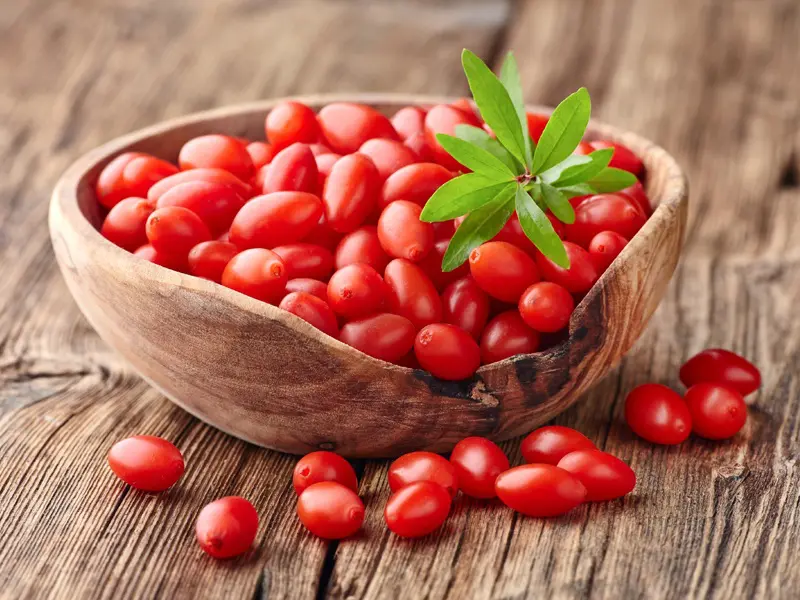
Botanical Name– Lycium eleagnus
Active constituents– Some phenolic compounds in goji berries are caffeic acid, caffeoylquinic acid, chlorogenic acid, p-coumaric acid, quercetin-diglucoside, kaempferol-3-O-rutinoside, and rutin.
Mechanism- Goji berries have become popular over the years due to its public acceptance as a “superfood” with highly advantageous antioxidant and nutritive properties. A superfood is a “nutrient-rich” food considered to be especially beneficial for health or well-being.
It gives beneficiary effect like-
- Vision-Protective Effect
- Lipid-Lowering Effect
- Hypoglycaemic Effect
- Allergic and Anaphylactic Reactions
- Anticancer, Antitumour, Immunostimulatory, and Modulatory Effects
- Neurological Protective Effect
- Cardiovascular Protective Effect
- Antiaging Effect
2. Daruharidra
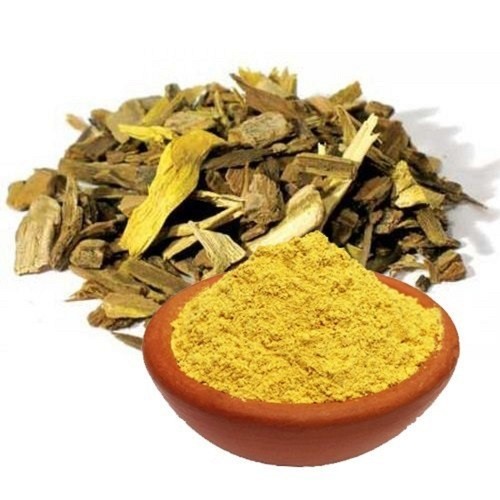
Botanical Name– Berberis vulgaris
Active constituents- Most important constituents of this plant are isoquinoline alkaloids such as berberine, berbamine and palmatine.
Mechanism- It exhibits several pharmacological activities such as antioxidant, anti-inflammatory, antidiarrheal, antimicrobial and anti-tumour activity. It has therapeutic potential uses including lowering blood glucose, adjusting blood lipids, increasing insulin sensitivity and consequently ameliorating insulin resistance.
3. Barley Seed
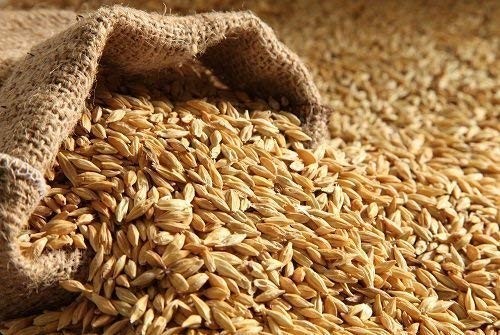
Botanical Name- Hordeum vulgare
Active constituents- Barley is a particularly rich source of fiber, molybdenum, manganese and selenium. It also contains good amounts of copper, vitamin B1, chromium, phosphorus, magnesium and niacin.
Mechanism- Barley and its extracts are rich in 30 ingredients to combat more than 20 chronic diseases, which include the 14 similar and 9 different chronic diseases between grains and grass, due to the major molecular mechanism of six functional ingredients of barley grass (GABA, flavonoids, SOD, K-Ca, vitamins, and tryptophan) and grains (β-glucans, polyphenols, arabinoxylan, phytosterols, tocols, and resistant starch).
4. Sea berry (sea-buckthorn)
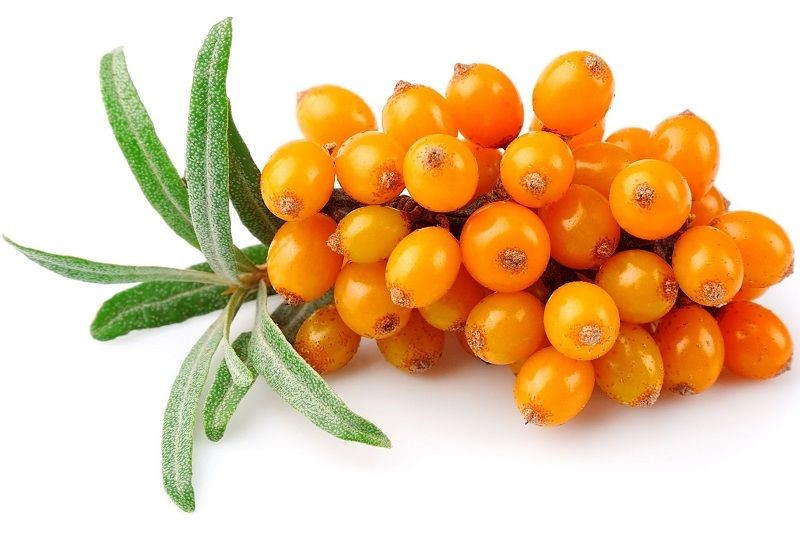
Botanical Name- Hippophaerh amnoides
Active constituents- cold extraction from the fruit of the plant, including antioxidants, vitamin C, flavonoids, polyphenols and polysaccharides.
Mechanism- It possesses strong antioxidant properties so it is used to improve blood pressure and lipids, to prevent and control cardiovascular symptoms (eg angina), to reduce free radicals levels and prevent atheroma.
5. Jarul
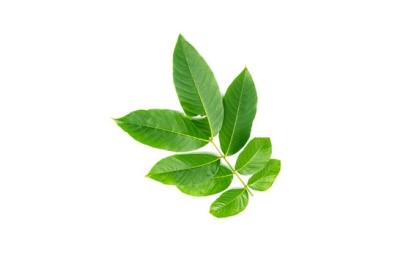
Botanical Name- Lagerstroemia speciosa
Active constituents- The chief active components of banaba extract are ellagitannins, corosolic acid, Penta-O-galloyl-glucopyranose, and tannic acid.
Mechanism- The leaf extract of L.speciosa is reported as nephroprotective, hepatoprotective and to have diuretic activity. Leaf extract has been reported to have antioxidant activity. Leaf is used in hypercholesterolemia, hypertension, diabetes, different renal dysfunctions.
6. Blueberry
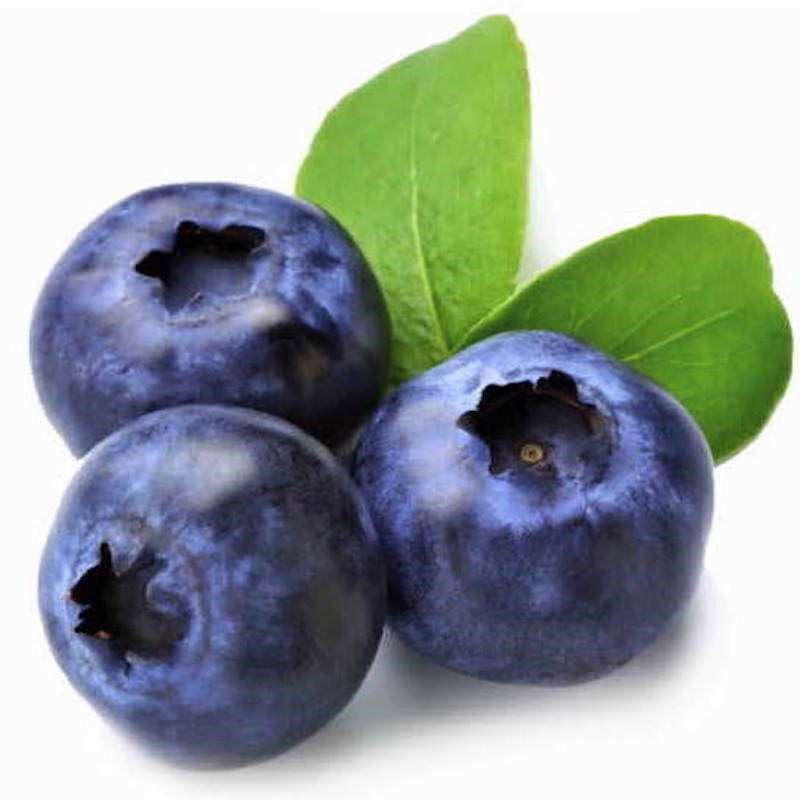
Botanical Name- Vaccinium corymbosum
Active constituents- Blueberries contain cellulose and soluble pectin. More than of fresh weight of the berry is composed of total sugars. Glucose and fructose constitutes the predominant reducing sugars in blueberries.
Mechanism- It has anti-inflammatory and pronounced antiviral effects, improves the immune system and normalizes its functioning, and is used for supportive treatment of hypertension. Blueberry fruit and juice are dietary products that enhance metabolism and action of sugar-lowering drugs.
7. Cranberry
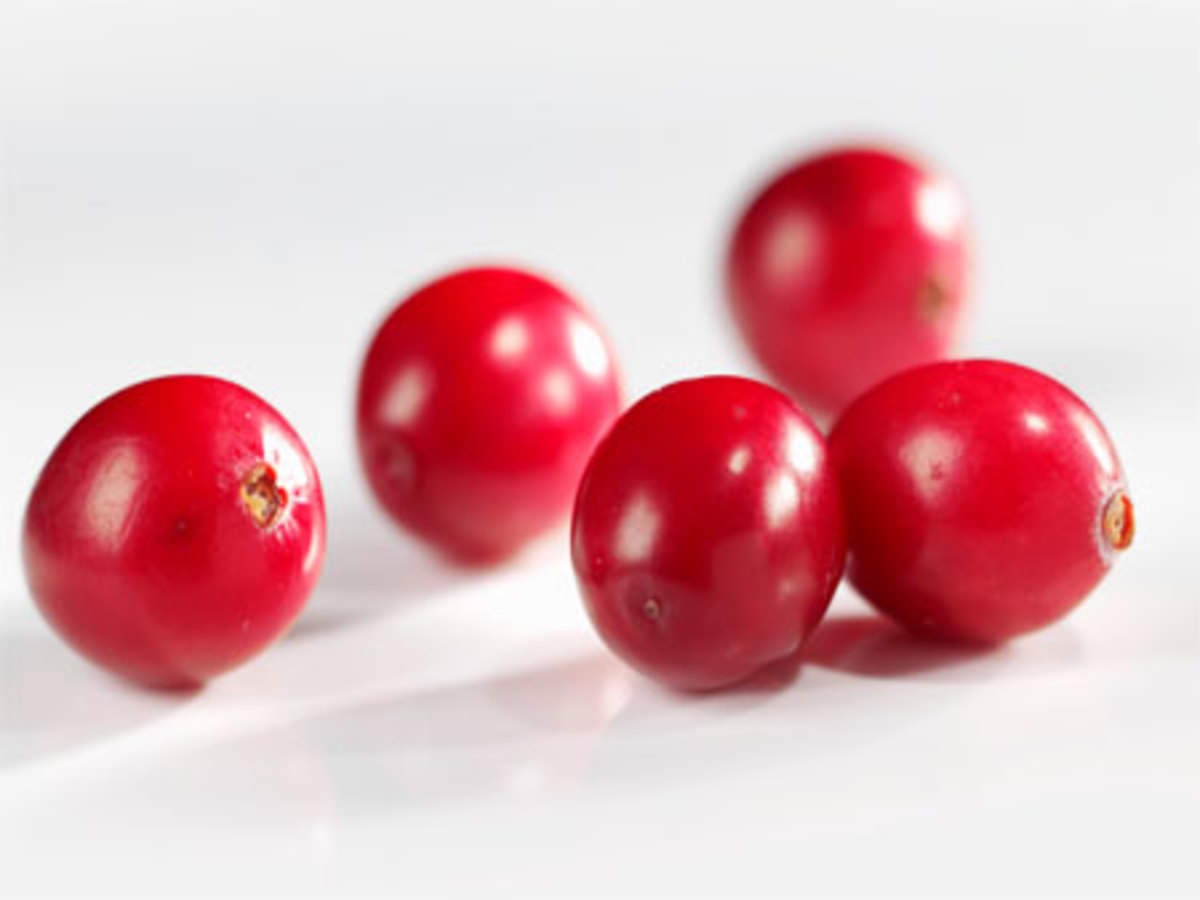
Botanical Name- Vaccinium oxycoccos
Active constituents- The fruits of Vaccinium oxyccocos contain phenolic acids, benzoic acid, p-coumaric acid, chlorogenic acid, caffeic acid and gentistic acid.
Mechanism- Among the important biological activities of cranberries is also anti-inflammatory activity. Anti-inflammatory properties of cranberry fruit can be explained by a high level of quercetin that decreases cytokine production in macrophages.
8. Grape
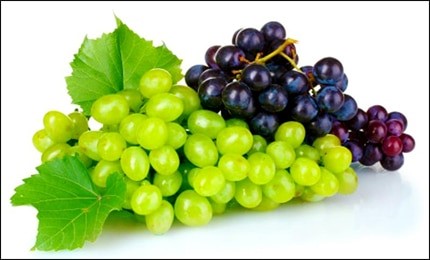
Botanical Name- Vitis alba and Vitis vinifera
Active constituents- The major phytochemical compounds are stilbenoid, phenolic compounds, aromatic acids (hydroxycinnamic and hydroxybenzoic acid), flavonoids, proanthocyanidin.
Mechanism- Grapefruit juice causes quick and irreversible sustained inhibition of the CYP system, possibly by greatly accelerating the degradation of these enzymes while also reducing translation from its mRNA.
9. Indian Mulberry
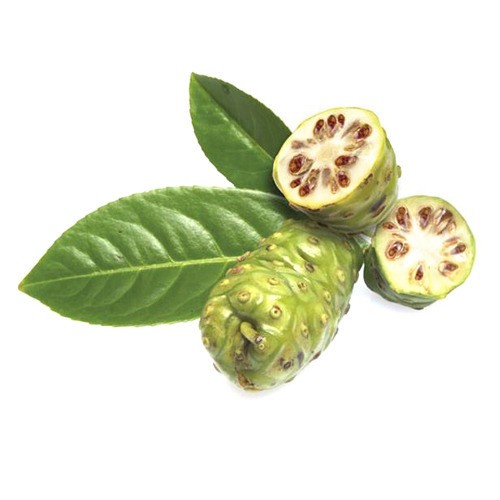
Botanical Name- Morinda citrifolia
Active constituents- The main micronutrients of M. citrifolia are vitamin C, niacin (vitamin B3), iron and potassium. Vitamin A, calcium and sodium are present in moderate amounts.
Mechanism- The medicinal value of Morinda citrifolia L. (commonly known as Noni) has been explored in ancient folk remedies with a wide range of therapeutic utility, including antibacterial, antiviral, antifungal, antitumor, analgesic, hypotensive, anti-inflammatory and immune enhancing effects.
10. White Mulberry
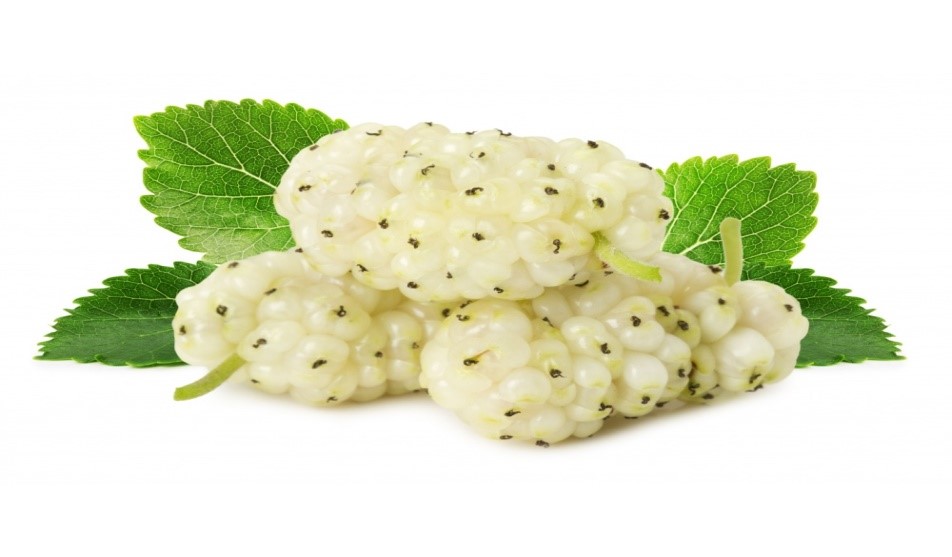
Botanical Name- Morus Alba
Active constituents- Moreover, the presence of bioactive compounds in M. alba fruit, including rutin , chlorogenic acid ,caffeic acid ,quercetin gallic acid, kaempferol and apigenin , has previously been detected.
Mechanism- M. Alba fruit also has potent antioxidative activities. Phenylpropanoids and flavonols were the two main compounds responsible for the fruit’s antioxidant activity. M. Alba contains antioxidative phenolic compounds potentially useful as nutraceutical agents in functional foods.
11. Bayberry
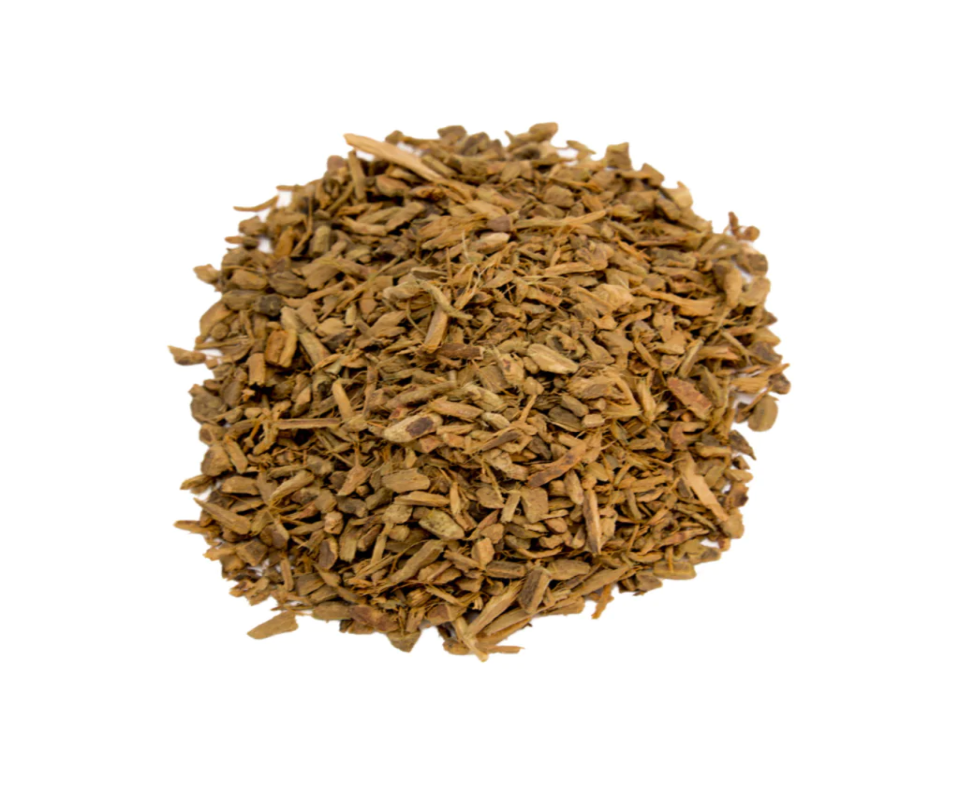
Botanical Name- Myrica cerifera
Active constituents- It contains triterpenes, flavonoids, phenols and tannins.
Mechanism- Myricetin is primarily beneficial for its antibiotic properties. The health benefits of bayberry are primarily due to its astringent effects. These uses include the support of the digestive system and respiratory system as well as healthy inflammation management and menstrual health support.
12. Black Cherry
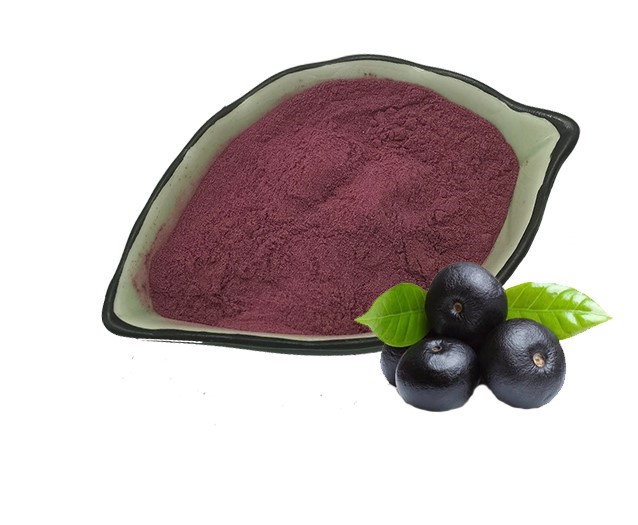
Botanical Name- Prunus serotina
Active constituents- Black Cherry Extract, or Prunus Serotina, is known for its active components such as vitamins, tocopherols, carbs, fibers, polyphenols, terpenes, and glycosides.
Mechanism– Traditional uses for Black Cherry include relieving gout pain, fighting inflammation, and supporting cardiovascular health. Black Cherry Extract improves heart function and reduces the risk of various cardiovascular conditions.
13. Aloe Vera
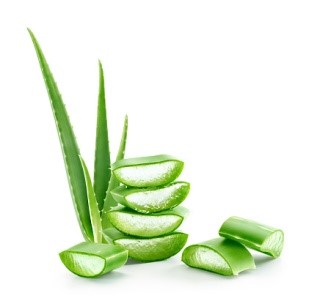
Botanical Name – Aloe barbadensis miller
Active constituents – Aloe vera contains vitamins, enzymes, minerals, sugars, lignin, saponins, salicylic acids and amino acids.
Mechanism– Anti-Inflammatory and Vasodilatory Effects
It is an antimicrobial agent commonly used for partial and full thickness burns. However, silver sulfadiazine can negatively affect wound healing time.
14. Green Tea
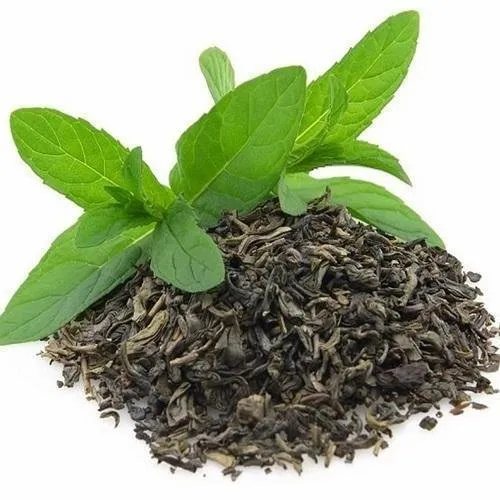
Botanical Name – Camellia sinensis
Active constituents- Green tea (Camellia sinensis) leaves are known to contain active ingredients such as catechins and caffeine, and are widely useful materials.
Mechanism–
The effects of tea on obesity and diabetes have received increasing attention. Tea catechins, especially EGCG, appear to have anti-obesity and ant diabetic effects
Green tea consumption has also been linked to the prevention of many types of cancer, including lung, colon, esophagus, mouth, stomach, small intestine, kidney, pancreas, and mammary glands