HERBAL & NATURAL HEALTH SUPPLEMENTS!!!

Diabetes Treatment

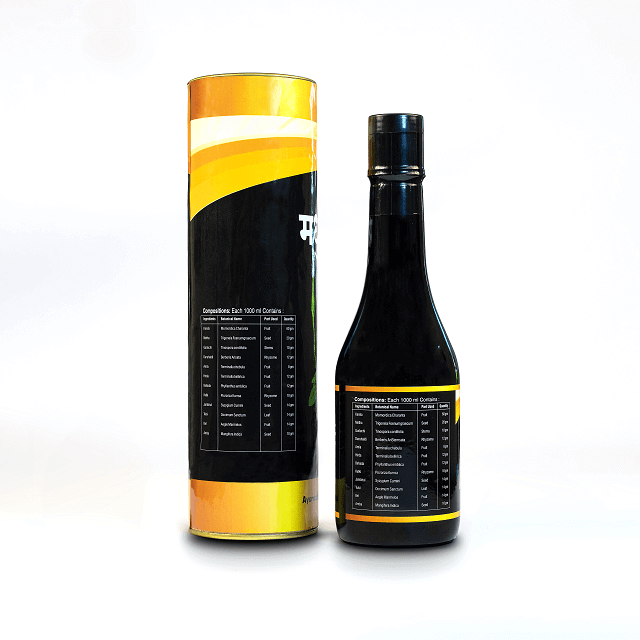


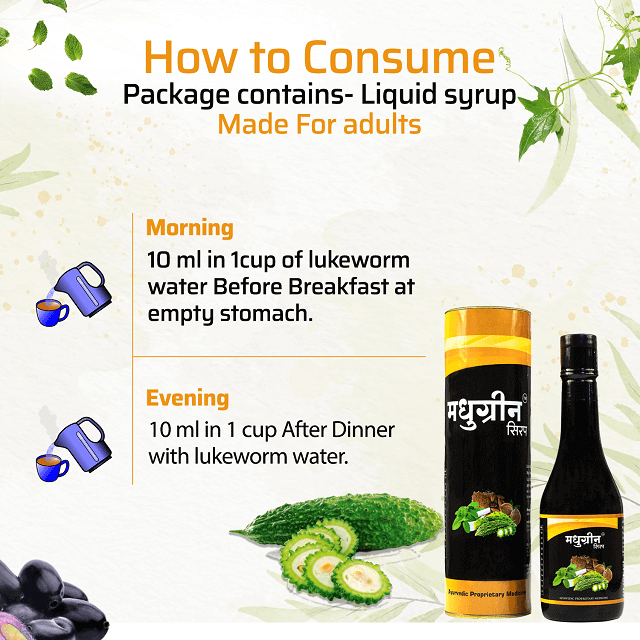


MADHUGRIN – Herbal Syrup for Diabetes Treatment
₹1,150
There are a number of herbs that are said to help manage diabetes. In this section, find a list of Ayurvedic herbs for diabetes. These may help maintain blood sugar levels and manage diabetes.
Karela, Metha, Guduchi, Daruhaldi, Amla, Hirda, Behada, Kutki, Jambhul, Tulsi, Bel, Amba etc.
How to Use:


Ingredients:

How to use:


1. Karela (Bitter Melon)

Botanical Name: Momordica Charanta
Active Constituents: The main constituents of bitter melon which are responsible for the antidiabetic effects are triterpene, proteid, steroid, alkaloid, inorganic, lipid, and phenolic compound
Mechanism: The fruit contains at least three active substances with anti-diabetic properties, including charanti, which has been confirmed to have a blood glucose-lowering effect, vicine and an insulin-like compound known as polypeptide-p.
These substances either work individually or together to help reduce blood sugar levels.
It is also known that bitter melon contains a lectin that reduces blood glucose concentrations by acting on peripheral tissues and suppressing appetite – similar to the effects of insulin in the brain.
Reference: Antidiabetic effects of Momordica charantia (bitter melon) and its medicinal potency Baby Joseph* , D Jini Interdisciplinary Research Centre, Department of Biotechnology, Malankara Catholic College, Mariagiri, Kaliakkavilai – 629153, Kanyakumari District, TamilNadu, India.
2. Methi (Fenugreek)

Botanical Name: Trigonela Foenumgraecum
Active Constituents: saponins, 4-hydroxyisoleucin [4-OHlle], galactomannan and trigonelline
Mechanism: Fenugreek seeds have antidiabetic effect by increasing gastric emptying time and glucose absorption rate. Fenugreek seeds have greater quantity of fibre which reduces glucose uptake in small intestine also increase serum insulin level. Galactomannan, reduces postprandial blood glucose level. When fenugreek seed powder treatment for 21days to diabetic rats brought down the high fasting blood glucose levels to control levels.
Soluble dietary fibre fraction of fenugreek seed improves glucose homeostasis in animal models of type 1 and type2 diabetes by delaying carbohydrate digestion and absorption, and enhancing insulin action.
Reference: ANTIDIABETIC ACTIVTY OF METHI SEEDS (TRIGONELLA FOENUM GRACEUM) 1Kavita, 2Monika Dhaka and 3Om Prakash Sharma
*Corresponding Author: Kavita PG Scholar, PG Department of DravyaGuna, Sri Ganganagar College of Ayurvedic Science & Hospital, Sriganganagar, Rajasthan.
3. Guduchi

Botanical Name: Tinospora cordifolia
Active Constituents: The chemical constituents of T. cordifolia belong to different classes such as alkaloids, glycosides, steroids, phenolics, aliphatic compounds, polysaccharides, leaves are rich in protein (11.2%), calcium and phosphorus
Mechanism: Guduchi has been shown to reduce blood sugar levels, especially during fasting levels. The anti-diabetic effect is attributed to the various phytochemicals present in it. It regulates the blood sugar level by reducing oxidative stress, enhancing insulin release, and reducing the production and breakdown of glucose in the body. Guduchi is especially useful for type 2 diabetes.
Reference: The chemical constituents and diverse pharmacological importance of Tinospora cordifolia
Author links open overlay panelPriyankaSharmaaBharat P.DwivedeeaDheerajBishtbAshutosh K.DashaDeepakKumara
4. Daruhaldi

Botanical Name: Berberis Aristemsata
Active Constituents: Berbamine, berberine chloride, palimitine
Mechanism: Daruhaldi helps to manage high blood sugar level by improving metabolism. It reduces the level of Ama (toxic remains in the body due to improper digestion) in the body. This is due to its Ushna (hot) nature.
Reference: Phytopharmacology and Clinical Updates of Berberis Species against Diabetes and Other Metabolic Diseases
Tarun Belwal, Aarti Bisht, Hari Prasad Devkota, Hammad Ullah, Haroon Khan, Aseesh Pandey, Indra Dutt Bhatt, and Javier Echeverría
5. Amla

Botanical Name: Phyllanthus emblica
Active Constituents: Gallic acid, gallotanin, ellagic acid and corilagin
Mechanism: Studies have shown that the fruits of Emblica officinalis Gaertn or Phyllanthus emblica Linn, colloquially known as Indian gooseberry or amla and/or some of its important constituents (including Gallic acid, gallotanin, ellagic acid and corilagin), possess anti-diabetic effects through their antioxidant and free radical scavenging properties. Amla has also been reported to prevent/reduce hyperglycemia, cardiac complications, diabetic nephropathy, neuropathy, cataractogenesis and protein wasting. However, clinical trial data with human subjects are limited and preliminary. For the first time this review summarizes the anti-diabetic affects of amla and also addresses the mechanisms mediating these properties.
Amla contains mineral called chromium, which helps in regulating the carbohydrate metabolism and making the body more responsive to the insulin that keeps the blood sugar in track.
Reference: Anti-diabetic effects of the Indian indigenous fruit Emblica officinalis Gaertn: active constituents and modes of action
Jason Jerome D’Souza , Prema Pancy D’souza, Farhan Fazal, Ashish Kumar, Harshith P Bhat, Manjeshwar Shrinath Baliga
6. Hirda
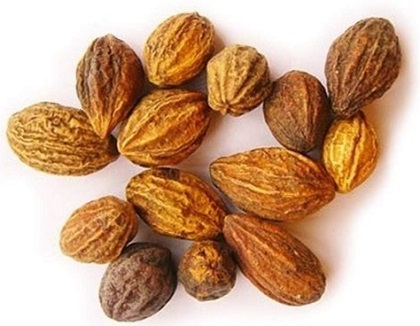
Botanical Name: Terminalia chebula
Active Constituents: A number of glycosides have been isolated from haritaki, including the triterpenes arjunglucoside I, arjungenin, and the chebulosides I and II. Other constituents include a coumarin conjugated with gallic acids called chebulin
Mechanism: Hirda reduced the levels of blood glucose and glycosylated haemoglobin in diabetes.The oral effective dose (ED) of the extract was observed to be 200 mg/kg body weight, which produced a fall of 55.6% (p<0.01) in the oral glucose tolerance test. Oral administration of ED of aqueous extract of T.chebula (AETC) daily once for two months reduced the elevated blood glucose by 43.2% (p<0.01) and significantly reduced the increase in glycosylated haemoglobin (HbA1c) (p<0.01). The same dose also showed a marked improvement in controlling the elevated blood lipids as well as decreased serum insulin levels in contrast to the untreated diabetic animals.
Reference: Long-term effects of Terminalia chebula Retz. On hyperglycemia and associated hyperlipidemia, tissue glycogen content and in vitro release of insulin in streptozotocin induced diabetic rats
Y K Murali , P Anand, V Tandon, R Singh, R Chandra, P S Murthy
7. Behada

Botanical Name: Terminlia bellirica
Active Constituents: Glucosides, tannins, galliacid, ellagic acid, ethyl gallate, gallylglucose, chebulanic acid are believed to be mainly responsible for its wide therapeutic actions.
Mechanism: Behada helps to manage loss of appetite, thirst, bloating and flatulence. This is due to its Ushna (hot) potency. Behada enhances the Pachak Agni (digestive fire) which helps in digesting the food easily. It also helps to manage constipation due to its Rechana (laxative) nature.
T. bellirica extract also displayed insulin-mimetic activity and enhanced insulin-stimulated glucose uptake in 3T3-L1 adipocytes by 300 %. At higher concentrations, the extract also produced a 10-50 % (P < 0.001) decrease in starch digestion in vitro and inhibited protein glycation (P < 0.001).
Reference: Terminalia bellirica stimulates the secretion and action of insulin and inhibits starch digestion and protein glycation in vitro
Violet Kasabri , Peter R Flatt, Yasser H A Abdel-Wahab
8. Kutki

Botanical Name: Picroriza Kurroa
Active Constituents: Active constituents are apocynin, drosin, and nine cucurbitacin glycosides. Apocynin is a catechol that has been shown to inhibit neutrophil oxidative burst in addition to being a powerful anti-inflammatory agent, while the cucurbitacins have been shown to be highly cytotoxic and possess antitumor effect
Mechanism: It is known to balance blood sugar levels; thanks to its diuretic, anti-diabetic and hypocholesterolaemic properties that make it a rejuvenating herb for diabetics. Kutki is an amazing liver tonic, which not only helps control diabetes, but also cleanses the gut and expels the unwanted contents from the body.
Reference: Potential mechanism of anti-diabetic activity of Picrorhiza kurroa Gulam Mohammed Husain1, Richa Rai2 , Geeta Rai2 , Harikesh Bahadur Singh3 , Ajit Kumar Thakur1 , Vikas Kumar1
1Neuropharmacology Research Laboratory, Department of Pharmaceutics, Indian Institute of Technology (Banaras Hindu University), Varanasi, India; 2Department of Molecular and Human Genetics, Faculty of Science, Banaras Hindu University, Varanasi, India; 3Department of Mycology & Plant Pathology, Institute of Agricultural Sciences, Banaras Hindu University, Varanasi, India
9. Jamun

Botanical Name: Syzygium Cumini
Active Constituents: The plant is rich in compounds containing anthocyanins, glucoside, ellagic acid, isoquercetin, kaemferol and myrecetin. The seeds are claimed to contain alkaloid, jambosine, and glycoside jambolin or antimellin, which halts the diastatic conversion of starch into sugar.
Mechanism: People who are dealing with type-2 diabetes produce low levels of insulin. Jamun seeds ensure a greater availability of insulin by either increasing its secretion or preventing it from degrading fast.
The stem bark of the plant could induce the appearance of positive insulin staining cells in the epithelia of the pancreatic duct of treated animals and a significant decrease in blood glucose levels was also observed in mice treated with the stem bark by oral glucose tolerance test. Many clinical and experimental studies suggest that, different parts of the jambolan especially fruits and seeds possess promising activity against diabetes mellitus.
Reference: Syzygium cumini (L.) Skeels: A review of its phytochemical constituents and traditional uses
Muniappan Ayyanar1,* and Pandurangan Subash-Babu
10. Tulsi

Botanical Name: Occimum Sanctum
Active Constituents: There are many chemical constituent present in ocimum sanctum such as, oleanolic acid, rosmarinic acid, ursolic acid eugenol, , linalool, carvacrol, β elemene, β caryophyllene, germacrene. ocimum sanctum is considered to have diuretic, stimulant property
Mechanism: The holy leaves of Tulsi are blessed with antioxidants and essential oils that produce mystic components like eugenol, methyl eugenol, and caryophyllene. These compounds aid in the secretion of insulin and increase the body’s sensitivity to insulin.
Diabetes is a disorder characterized by chronic high blood glucose levels. Tulsi is very effective in boosting the secretion and utilization of the insulin hormone.
The present observations establish the efficacy of Ocimum sanctum leaves in lowering blood glucose levels and antioxidant property appears to be predominantly responsible for hypoglycemic effect.
Reference: Evaluation of hypoglycemic and antioxidant effect of Ocimum sanctum
Jyoti Sethi, Sushma Sood, Shashi Seth, and Anjana Talwar
11. Bel

Botanical Name: Aegle Marmelos
Active Constituents: The fruits, bark, leaves, seeds, and roots of bael contain bioactive compounds such as coumarin, xanthotoxol, imperatorin, aegeline, and marmeline.
Mechanism: It regulates the production of insulin from the cells into the blood stream and low glycemic index of bel maintains the blood sugar level.
The present study examined the action of Aegle marmelos against experimental diabetes as well as the antioxidant potential of the drug. A methanolic extract of Aegle marmelos was found to reduce blood sugar in alloxan diabetic
Reference: Antidiabetic activity of Aegle marmelos and its relationship with its antioxidant properties
M C Sabu , Ramadasan Kuttan
12. Aam

Botanical Name: Mangifera Indica
Active Constituents: The major amino acids include lysine, leucine, cysteine, valine, arginine, phenylalanine, and methionine. The lipid composition increases during ripening, particularly the omega-3 and omega-6 fatty acids. The most important pigments of mango fruit include chlorophylls (a and b) and carotenoids
Mechanism: Various phytochemicals present in mango leaves are thought to be responsible for its anti-hyperglycemia activity. Previously, it was shown that foliamangiferosides such as mangiferin had exerted their antidiabetic effect through increasing insulin sensitivity and inhibiting alpha-glucosidase activity
Mango seeds are said to lower blood sugar levels, of course when eaten in moderate amounts. They alter enzymes of the intestines and liver to reduce absorption of glucose.
Reference: Antidiabetic Potential of Mangifera indica L. cv. Anwar Ratol Leaves: Medicinal Application of Food Wastes
Mohammad Saleem, Muiz Tanvir, Muhammad Furqan Akhtar, Mazhar Iqbal, and Ammara Saleem
Basic Information about Diabetes:
Diabetes Mellitus (DM) is an age old disease described in Ayurveda as ‘Madhumeha’, a Tridosha predominant disease.
Native Ayurvedic herbs provide better alternatives, owing to lesser side-effects and low cost than conventional antidiabetic drugs.
Diabetes is a disease that occurs when your blood glucose, also called blood sugar, is too high. Blood glucose is your main source of energy and comes from the food you eat. Insulin, a hormone made by the pancreas, helps glucose from food get into your cells to be used for energy. Sometimes your body doesn’t make enough or any insulin or doesn’t use insulin well. Glucose then stays in your blood and doesn’t reach your cells.
Diabetes mellitus is more commonly known simply as diabetes.
Diabetes insipidus is a rare condition that has nothing to do with the pancreas or blood sugar. Diabetes insipidus is a rare condition that has nothing to do with the pancreas or blood sugar. Instead, it happens when your kidneys produce a lot of extra pee. Normally, they filter your bloodstream to make about a quart or 2 each day. When you have diabetes insipidus, it’s more like 3 to 20 quarts, and it’s mostly water. This dramatic loss of fluid makes you really thirsty.
Types of Diabetes:
The most common types of diabetes are type 1, type 2, and gestational diabetes.
Type 1 diabetes (insulin dependent) :
If you have type1 diabetes, your body does not make insulin. Your immune system attacks and destroys the cells in your pancreas that make insulin. Type 1 diabetes is usually diagnosed in children and young adults, although it can appear at any age. People with type 1 diabetes need to take insulin every day to stay alive.
Type2 diabetes (non- insulin dependent) :
If you have type2 diabetes, your body does not make or use insulin well. You can develop type2 diabetes at any age, even during childhood. However, this type of diabetes occurs most often in middle-aged and older people. Type 2 is the most common type of diabetes.
Gestational diabetes :
Gestational diabetes develops in some women when they are pregnant. Most of the time, this type of diabetes goes away after the baby is born. However, if you’ve had gestational diabetes, you have a greater chance of developing type2 diabetes later in life. Sometimes diabetes diagnosed during pregnancy is actually type2 diabetes.
Symptoms of Diabetes:

If you have any of the following diabetes symptoms, see your doctor about getting your blood sugar tested:
- Urinate (pee) a lot, often at night
- Are very thirsty
- Lose weight without trying
- Are very hungry
- Have blurry vision
- Have numb or tingling hands or feet
- Feel very tired
- Have very dry skin
- Have sores that heal slowly
- Have more infections than usual
Causes of Diabetes:
Different causes are associated with each type of diabetes.
Type 1 diabetes :
Doctors don’t know exactly what causes type1 diabetes. For some reason, the immune system mistakenly attacks and destroys insulin-producing beta cells in the pancreas. Genes may play a role in some people. It’s also possible that a virus sets off an immune system attack.
Type 2 diabetes :
Type 2 diabetes stems from a combination of genetics and lifestyle factors. Having overweight or obesity increases your risk, too. Carrying extra weight, especially in your belly, makes your cells more resistant to the effects of insulin on your blood sugar. This condition runs in families. Family members share genes that make them more likely to get type2 diabetes and to be overweight.
Gestational diabetes :
Gestational diabetes occurs as the result of hormonal changes during pregnancy. The placenta produces hormones that make a pregnant person’s cells less sensitive to the effects of insulin. This can cause high blood sugar during pregnancy.
People who are overweight when they get pregnant or who gain too much weight during pregnancy are more likely to get gestational diabetes.
Treatment of Diabetes:

Going by the ancient texts, the diabetes treatments in Ayurveda include herbal medications, Panchakarma treatment, its various processes (Vamana, Virechana, Vasti, etc.) and many more. However, the procedure opted for the treatment largely depends on the severity of the condition that the individual is facing.
Additionally, it’s crucial to note that the aim of these remedies is to enhance insulin sensitivity of type – 4 glucose receptors. As a result, the insulin resistance is lowered and its secretion levels are boosted, also enhancing the regeneration of beta cells.
Speaking of details, you can find some relevant information regarding the most suitable Ayurvedic treatments for diabetic individuals.
Diagnosis:
- Anyone with a body mass index higher than 25 (23 for Asian Americans), regardless of age,who has additional risk factors. These factors include high blood pressure, non-typical cholesterol levels, an inactive lifestyle, a history of polycystic ovary syndrome or heart disease, and having a close relative with diabetes.
- Anyone older than age 35is advised to get an initial blood sugar screening. If the results are normal, they should be screened every three years after that.
- Women who have had gestational diabetesare advised to be screened for diabetes every three years.
- Anyone who has been diagnosed with prediabetesis advised to be tested every year.
- Anyone who has HIVis advised to be tested.
- Glycated haemoglobin (A1C) test.This blood test, which doesn’t require not eating for a period of time (fasting), shows your average blood sugar level for the past 2 to 3 months. It measures the percentage of blood sugar attached to haemoglobin, the oxygen-carrying protein in red blood cells.
The higher your blood sugar levels, the more haemoglobin you’ll have with sugar attached. An A1C level of 6.5% or higher on two separate tests means that you have diabetes. An A1C between 5.7% and 6.4% means that you have prediabetes. Below 5.7% is considered normal.
- Random blood sugar test.A blood sample will be taken at a random time. No matter when you last ate, a blood sugar level of 200 milligrams per decilitre (mg/dL) — 11.1 mill moles per liter (mmol/L) — or higher suggests diabetes.
- Fasting blood sugar test.A blood sample will be taken after you haven’t eaten anything the night before (fast). A fasting blood sugar level less than 100 mg/dL (5.6 mmol/L) is normal. A fasting blood sugar level from 100 to 125 mg/dL (5.6 to 6.9 mmol/L) is considered prediabetes. If it’s 126 mg/dL (7 mmol/L) or higher on two separate tests, you have diabetes.
- Oral glucose tolerance test.For this test, you fast overnight. Then, the fasting blood sugar level is measured. Then you drink a sugary liquid, and blood sugar levels are tested regularly for the next two hours.
A blood sugar level less than 140 mg/dL (7.8 mmol/L) is normal. A reading of more than 200 mg/dL (11.1 mmol/L) after two hours means you have diabetes. A reading between 140 and 199 mg/dL (7.8 mmol/L and 11.0 mmol/L) means you have prediabetes.
Investigations:

Disease Specific
- Measurement of the plasma glucose level
- Random blood sugar (RBS)
- Fasting blood sugar (FBS)
- Post prandial blood sugar (PPBS)
- Urine routine and microscopic
iii. Glycosylated haemoglobin (HbA1c)
- Lipid Profile
Other related Investigations
- Blood urea and serum creatinine
- E.C.G.
iii. Fundus examination
- Serum electrolytes
Complications in Diabetes:
If your blood glucose level remains high over a long period of time, your body’s tissues and organs can be seriously damaged. Some complications can be life-threatening over time.
Complications include:
- Cardiovascular issues including coronary artery disease, chest pain, heart attack, stroke, high blood pressure, high cholesterol, atherosclerosis (narrowing of the arteries).
- Nerve damage (neuropathy) that causes numbing and tingling that starts at toes or fingers then spreads.
- Kidney damage (nephropathy) that can lead to kidney failure or the need for dialysis or transplant.
- Eye damage (retinopathy) that can lead to blindness; cataracts, glaucoma.
- Foot damage including nerve damage, poor blood flow and poor healing of cuts and sores.
- Skin infections.
- Erectile dysfunction.
- Hearing loss.
- Depression.
- Dementia.
- Dental problems.
Complications of gestational diabetes:
In the mother: Preeclampsia (high blood pressure, excess protein in urine, leg/feet swelling), risk of gestational diabetes during future pregnancies and risk of diabetes later in life.
In the new-born: Higher-than-normal birth weight, low blood sugar (hypoglycaemia), higher risk of developing Type 2 diabetes over time and death shortly after birth.